Japanese eyewear has a following that borders on reverence among people who care about glasses, and the reputation is earned. If you are searching for Japanese eyewear in NYC, this guide covers what sets these frames apart, the brands worth knowing, and where in Manhattan you can actually put a pair on your face.
Why Japanese eyewear is different
Most eyewear today is mass produced with speed and margin in mind. Japanese eyewear comes out of a different tradition. Frames are made in small batches and pass through dozens of separate steps, often across several specialized workshops, before they are finished. Polishing is done slowly, hinges are seated precisely, and quality control is treated as a craft of its own.
The design philosophy leans toward restraint. Instead of loud logos, Japanese brands put their effort into proportion, material, and the details you only notice after months of wear: how the weight balances on your nose, how smoothly the temples fold, how well the finish holds up.
Sabae and Fukui, the home of the craft
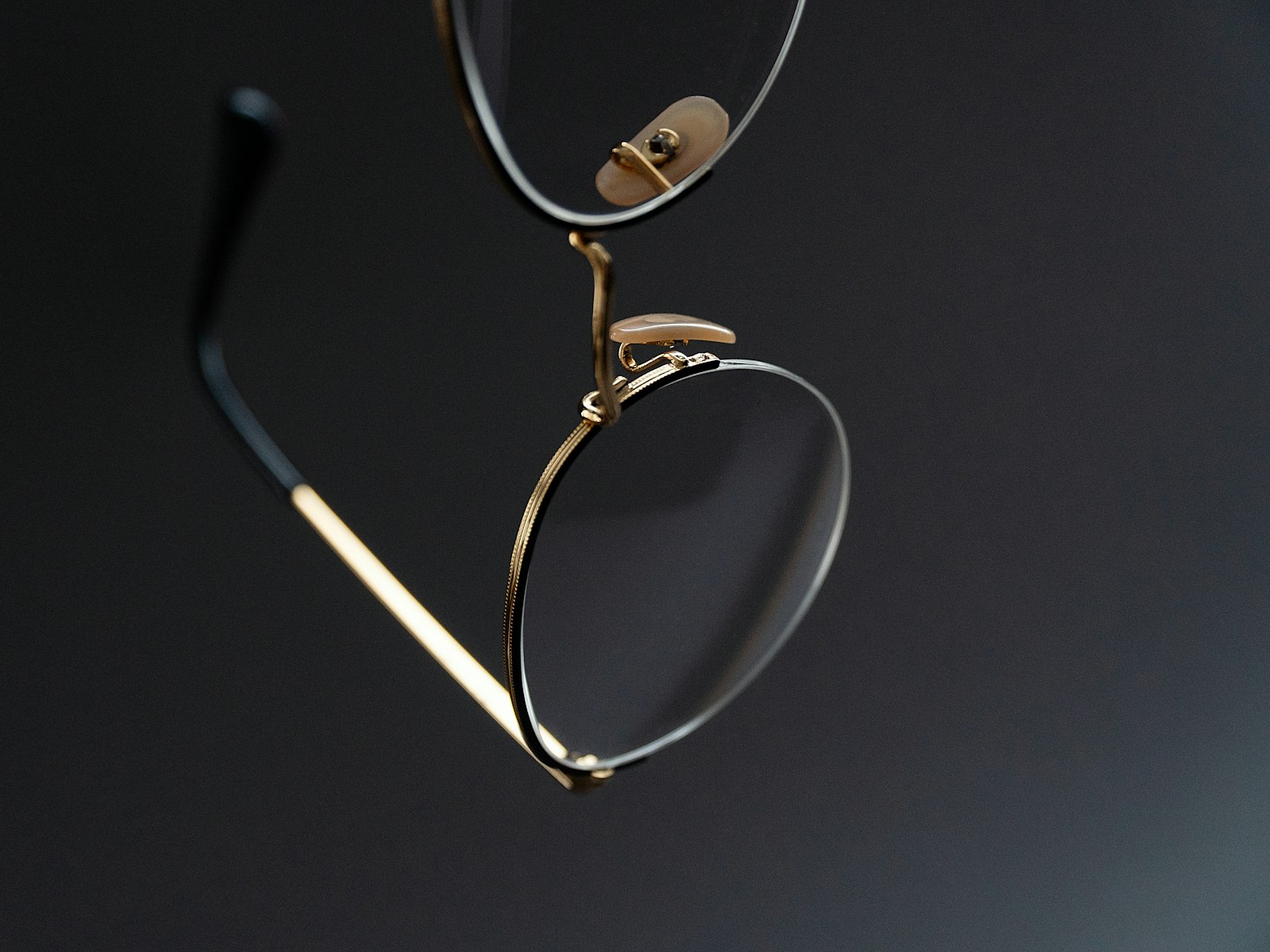
Most Japanese frames come from one place: Sabae, a small city in Fukui Prefecture that has been making glasses for more than a century. The region produces the overwhelming majority of Japanese eyewear and treats frame making the way other Japanese towns treat lacquerware or knives, as a generational trade. Sabae is also where titanium eyewear was first developed. Local workshops learned to mold, braze, and polish a metal that is notoriously difficult to work, and that expertise still separates Japanese titanium frames from everything else on the market.
Masahiro Maruyama: frames that look hand drawn
Masahiro Maruyama is one of the most distinctive designers working in eyewear today. His frames are built around a deliberate sense of the unfinished: asymmetric lines, rims that look sketched rather than drafted, breaks and seams placed where you least expect them. It sounds conceptual on paper, but on a face the frames read as quietly sculptural rather than loud.
The construction backs up the concept. Masahiro Maruyama titanium models are molded, brazed, and hand polished in Japan, and the acetate models are cut from premium Mazzucchelli stock and finished by hand to a high gloss. This is a collection that needs to be handled in person to be understood, and you can do that at Petite Optique in Union Square.
Eyevan: eyewear as fashion since 1972
Founded in 1972, Eyevan was one of the first brands anywhere to treat glasses as fashion rather than as a medical device, with the founding idea of eyewear made for dressing. Fifty years later the frames are still made in Sabae, and the brand's mix of classic shapes, refined hardware, and light, comfortable builds has aged remarkably well.
Where Masahiro Maruyama experiments, Eyevan refines. These are frames for someone who wants Japanese quality in a shape that works every single day. Eyevan is also available to try on at Petite Optique.
Other Japanese houses worth knowing
Japan's bench is deep. Matsuda is known for ornate, engraved metalwork with a devoted following in film and music. Yellows Plus makes some of the cleanest acetate frames in the business. Both are respected for good reason, and both share the same Sabae-rooted obsession with finishing. Start with any serious Japanese brand and you will notice the family resemblance: patience in the details.
Titanium or acetate: how to choose
Titanium is the signature Japanese material. It is far lighter than conventional frame metals, it does not corrode, it is hypoallergenic, and it holds an adjustment instead of slowly drifting out of shape. If you wear glasses twelve hours a day, have sensitive skin, or have watched other frames stretch and sag, titanium is usually the answer. It also fits differently: because the material is so light and springy, a well fitted titanium frame nearly disappears on your face.
Japanese acetate is a different pleasure. The material is denser and more deeply colored than commodity plastics, and hand polishing gives it a glow that lasts. Choose acetate when you want the frame to be a visible part of your look. Choose titanium when you want to forget you are wearing glasses. Plenty of people end up with one of each.
Where to try Japanese eyewear in NYC
Specs on a screen cannot tell you how a bridge sits on your nose or how a nine gram frame changes a long workday. Japanese eyewear in particular rewards trying before buying, because fit and finish are the whole point.
Petite Optique is an independent optical boutique at 40 Union Square East, and we carry both Masahiro Maruyama and Eyevan in-store. Book an appointment, put a few pairs on, and let our opticians fit and adjust whichever one earns a place on your face.

Written by the Petite Optique team, independent opticians in Union Square since 1995.
Have Questions?
40 Union Square East
Mon–Sat 11am–5pm
Sun 12pm–5pm
Keep Reading


Ready for your next pair?
Book an appointment with our optometrist, or call the shop and we'll help you plan a visit.